
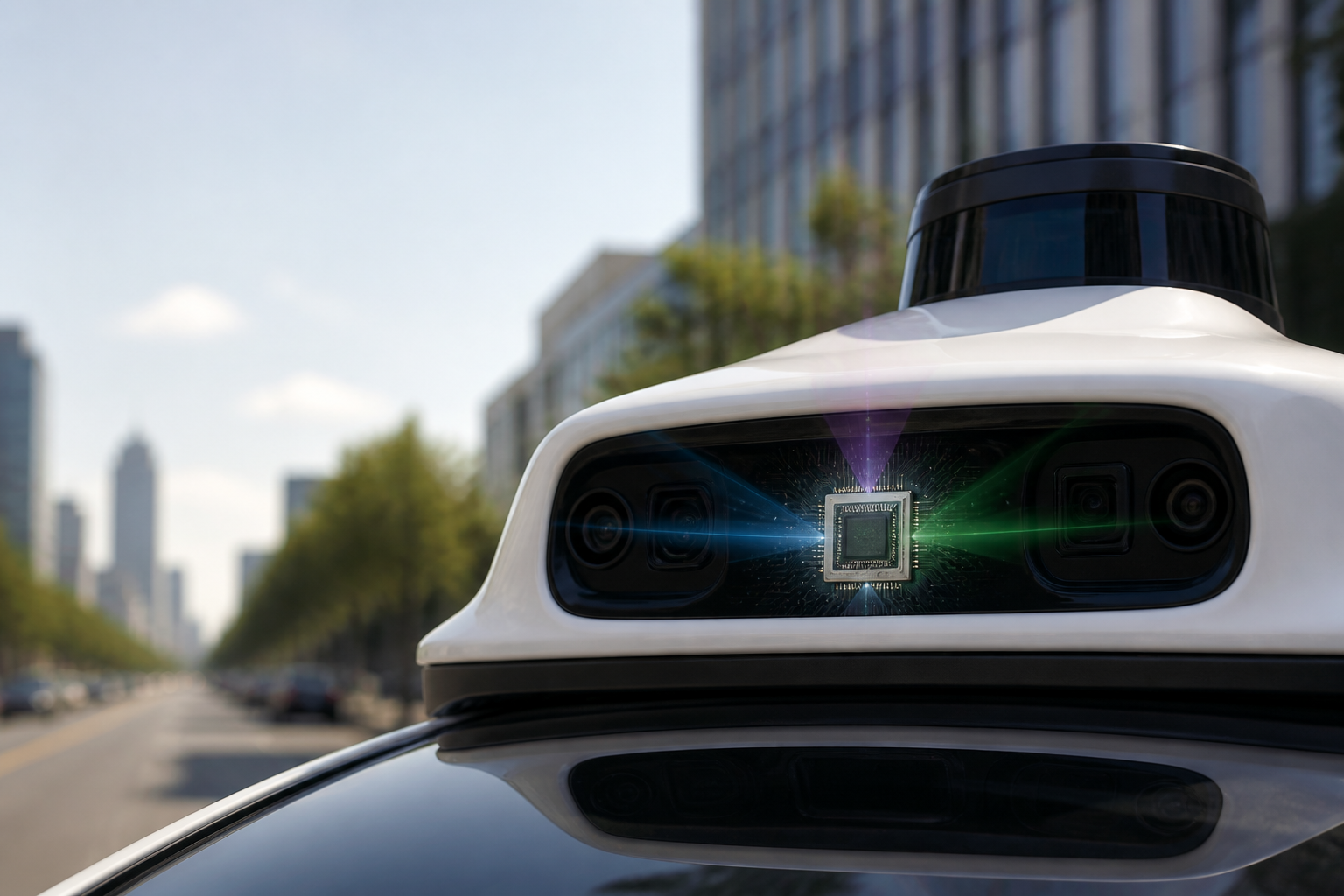
This is not a chip waiting on a lab bench. It is inside Ojai, Waymo’s sixth-generation robotaxi, already carrying public riders.
Waymo has now disclosed what the processor does. It cleans up and extracts useful information from camera, lidar and radar streams, then feeds that work to the central machine-learning system that decides how the car should move.
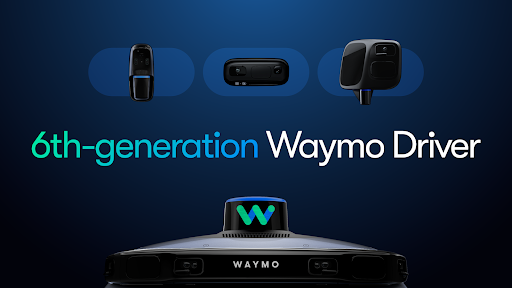
The missing layer
Waymo has designed its vehicle computer in-house since at least 2017. In February, it said the sixth generation shifted more work into custom chips but did not explain their job. These processors sit between the sensors and the driving model, performing the first relentless pass over the road.
Waymo says the chips collectively deliver more than 1,000 trillion operations a second. No independent test or comparable data on latency, power, cost, chip count or arithmetic precision establishes whether they materially improve driving.
Control without going it alone
The prize is control over a crucial handoff: what the car’s sensors detect and what its driving system receives. Owning that layer also leaves Waymo less dependent on any single chipmaker. It is not a clean break from the supply chain; Nvidia and other suppliers remain in the system.
This is what on-device AI looks like when delay has physical consequences. Waymo says driving decisions happen inside the car within milliseconds. Remote staff can offer advice when a vehicle asks, but they do not drive it, and the car can reject their guidance.
The newly revealed chip is at the front of that chain, already turning the street outside a passenger’s window into data for the next driving decision.