
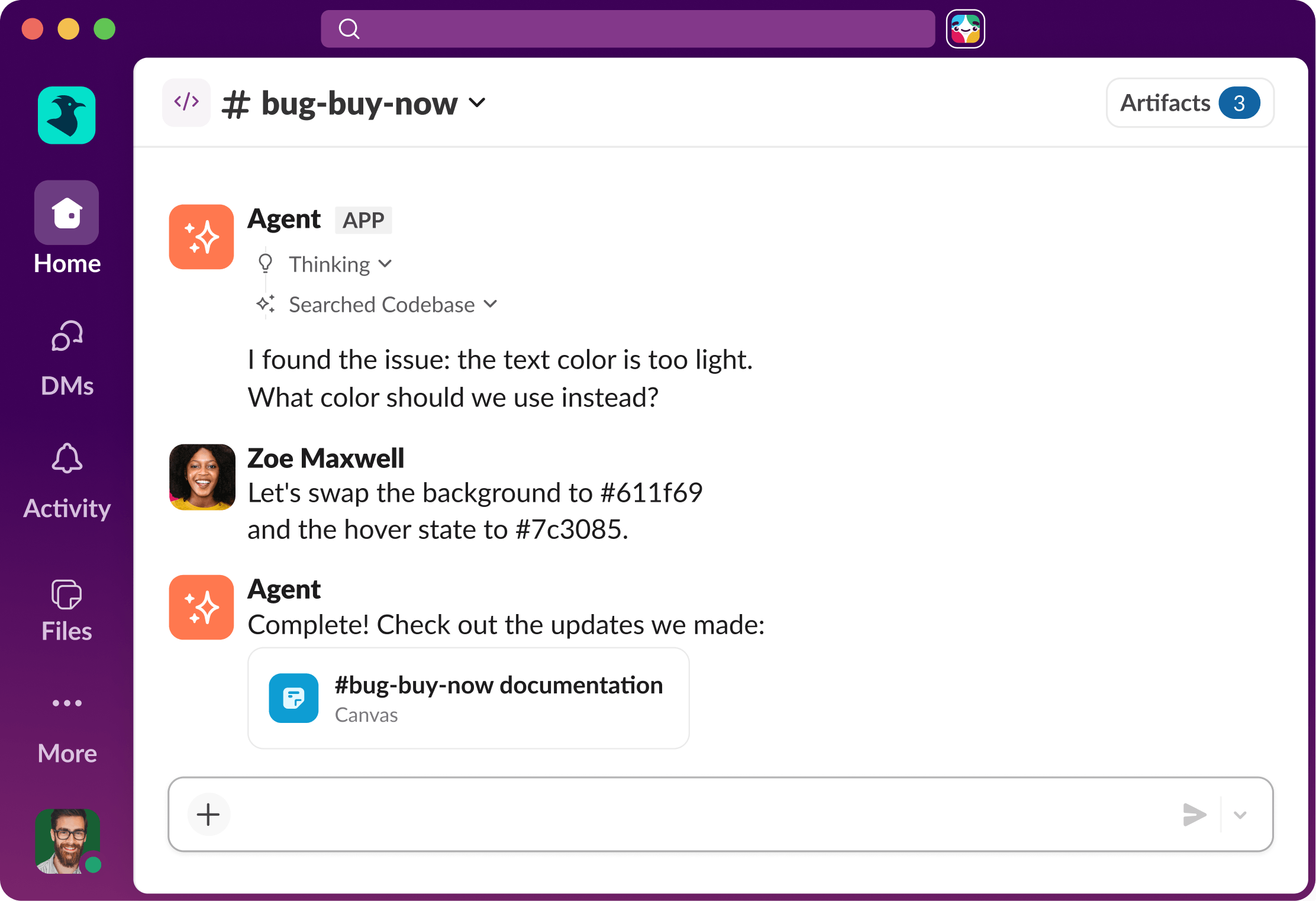
A product manager can redirect the job midstream, a designer can flag a bad preview and an engineer can decide whether the code ships, all from the conversation where the task began.
Slack launched the feature, called Slack Code, on August 20 for every Slack plan. A supported coding agent opens a channel for one task; the room archives when the work ends but remains searchable. Access to the agent itself is separate.
Shared AI in Slack is not new. Anthropic’s Claude Tag already let everyone in a channel work with the same Claude, and Slack had a standard for adding other agents. Slack Code adds a repeatable review process: teammates can watch and redirect the work while it runs, then approve the result.
No independent report has yet shown a production task completed in Slack Code, so its availability and performance across workspaces and partner agents remain unknown.
Slack is pulling code review into team chat as coding tools pull collaboration in the other direction. Onset recently covered Cursor’s Origin, which brings repositories and pull-request review into Cursor’s editor. Both companies are competing to become the screen where teams supervise coding agents.
NanoClaw gives agents separate Slack identities
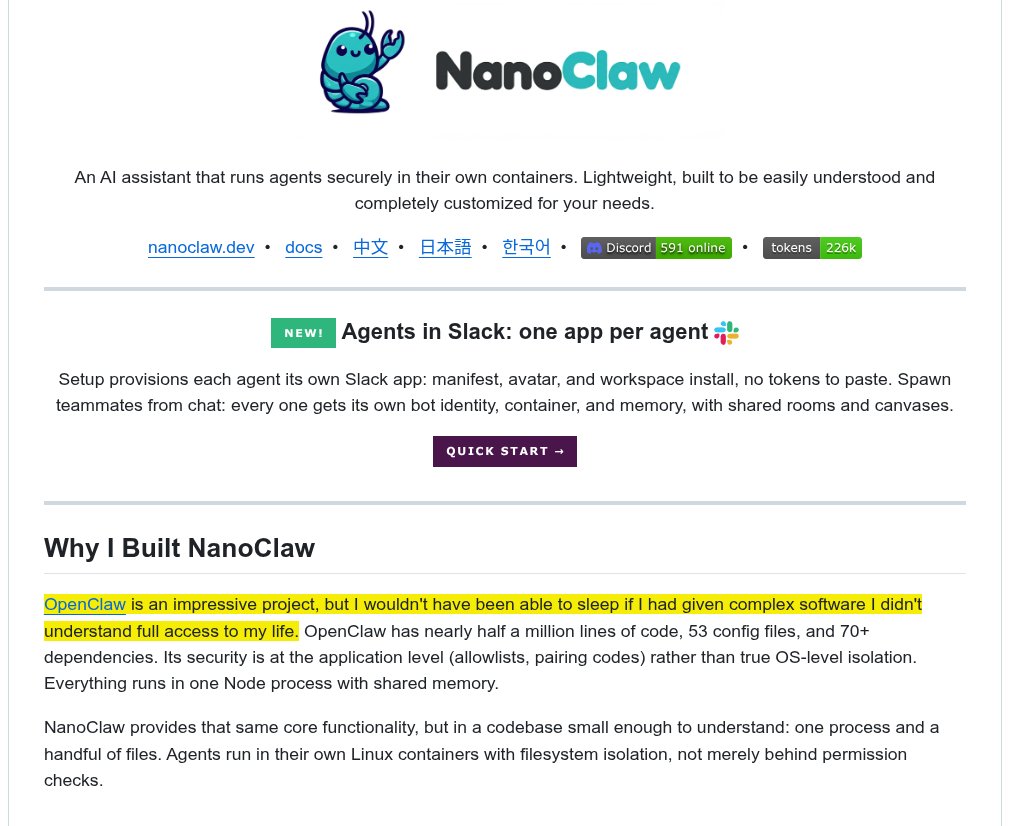
NanoClaw, a separate open-source integration, extends that idea beyond a single coding task. Its Slack Marketplace listing says a configured agent can create specialist bots with their own names, avatars and identities, then bring them into shared rooms with people and other agents.
The setup is not one click from a standing start. Users must operate NanoClaw’s self-hosted software, which requires a terminal, Git, Docker and a Claude or Codex credential, along with any model or hosting costs.
Slack Code’s project channel archives when the job ends. A NanoClaw specialist remains in the workspace for the next request.