A New AI Model Is Free for a Week, and No One Knows Who Made It
A New AI Model Is Free for a Week, and No One Knows Who Made It
Ox Alpha arrived on OpenRouter able to read a million tokens at once, and the notices about what happens to your prompts don't agree.
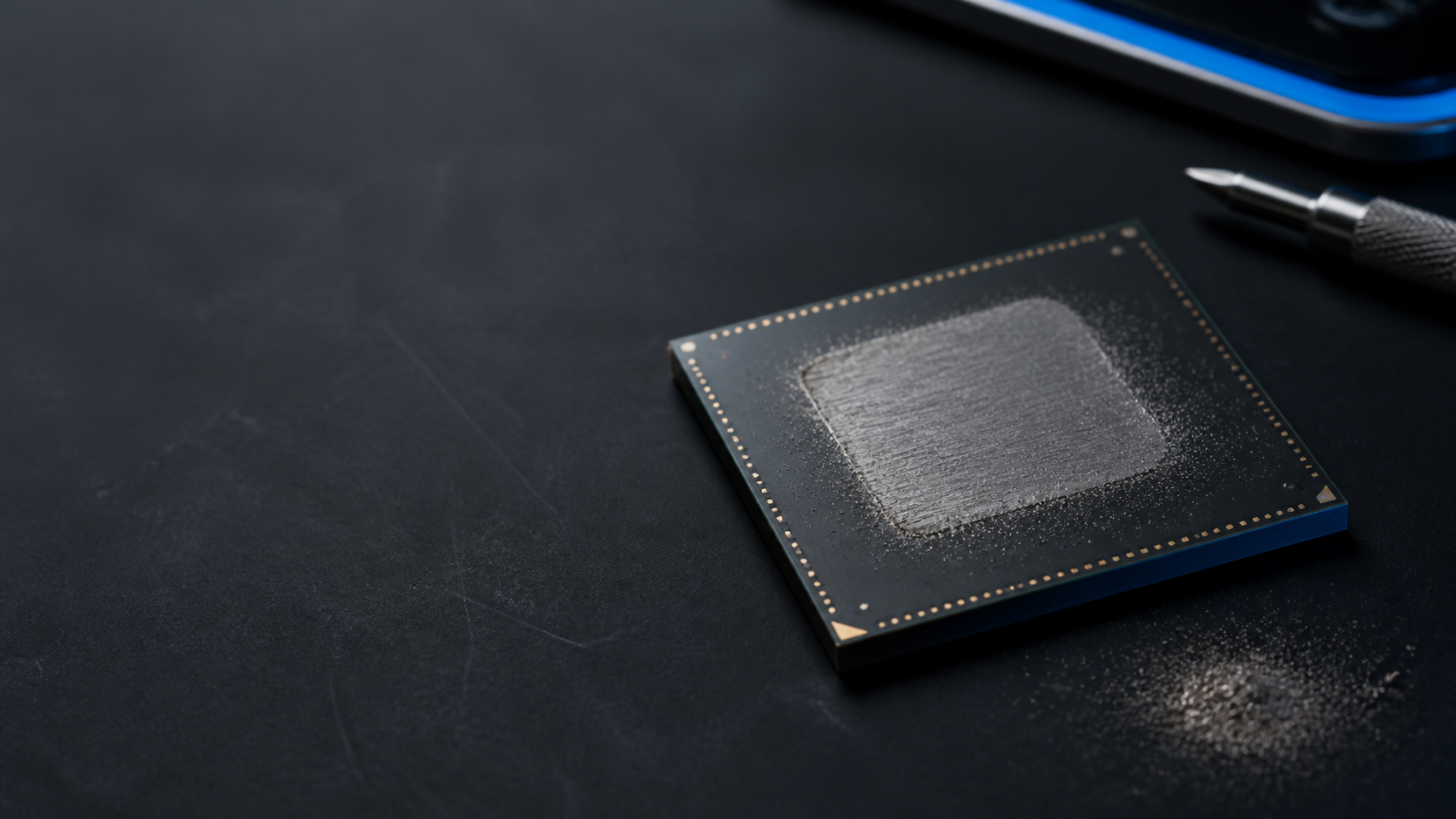
Illustration · Onset News
Latest update
Ox Alpha tops OpenRouter’s weekly ranking
OpenRouter’s indexed total for Ox Alpha rose from 11.6 trillion tokens through Aug. 23 to 17.5 trillion through Aug. 24. Because the model had no traffic on the day that left the seven-day window, the increase represents about 5.9 trillion tokens processed in one UTC day. Ox Alpha now ranks first by weekly volume, ahead of DeepSeek V4 Flash.
That is not six trillion answers or users. OpenRouter counts prompt and completion tokens together, and long-running coding agents repeatedly send code and tool history. Its model page attributes trillions of Ox Alpha tokens to Hermes Agent, Claude Code, DeepSeek Harness, omp and pi. The preview has therefore become a vast agent workload test, showing that the anonymous provider can serve exceptional demand. It still says nothing about whether Ox Alpha is the best model.
View 4 earlier updates
Ox Alpha dwarfs OpenRouter’s previous launches
Ox Alpha processed 11.6 trillion tokens over three days, 2.6 times OpenRouter’s previous biggest model launch. OpenRouter said it was then on pace to process nearly 6 trillion tokens on Aug. 24 alone. The figures do not validate the model’s performance claims, but they show how much real-world use an anonymous provider can attract through a free agentic-coding preview.
Ox Alpha passes 16.6 trillion tokens
Ox Alpha processed more than 16.6 trillion tokens on OpenRouter from Aug. 20 through Aug. 24. Daily volume rose from 12 billion tokens on launch day to 5.03 trillion on Aug. 24.
The scale shows that the free preview became sustained mass experimentation, not merely a loud debut. It does not resolve who built the model, how capable it is, or how the provider handles submitted prompts.
Ox Alpha becomes OpenRouter’s biggest launch
OpenRouter says Ox Alpha processed 11.6 trillion tokens in its first three full days, more than twice the 4.4 trillion recorded by its next-largest model launch. It was on track to process nearly another 6 trillion tokens on Aug. 24.
This establishes extraordinary adoption, not extraordinary ability. OpenRouter’s metric combines prompt and completion tokens, not users or requests, and covers only traffic routed through its platform. But the scale makes the anonymous preview more consequential: vast amounts of real work are reaching an unnamed provider while the model’s identity and data practices remain unresolved.
Ox Alpha’s coding score falls to 63%
A completed DeepSWE run put Ox Alpha at about 63%, well below the 80% result from the earlier 10-task sample. That removes the strongest evidence that the mystery model leads top commercial systems, though the tester still judged it a capable coding model around Sol Medium tier.
In extended use, the tester found Ox Alpha effective at coordinating subagents and handling long, complex jobs, but said it sometimes leaves dead code behind and becomes very slow at higher reasoning settings. The result replaces an eye-catching but volatile score with a more credible picture: strong, not dominant.
Full story
One prompt was all it took: a developer asked Ox Alpha for a "dreamcore" 3D world this week and got the whole thing back, a complete, playable browser scene, no pre-made assets, in a single 64,745-token reply, roughly the length of a short novel.
video attached to @rohanpaul_ai's post: new Ox Alpha is kind of absurd One prompt, 64,745 output tokens, and no external assets: Ox Alpha generated the code for an entire Three.js dreamcore 3D scene/world in a single shot. · Watch on 𝕏
Demonstrations like that have been stacking up since Thursday, when OpenRouter, a service developers use to reach many AI models through one account, listed the model as stealth/ox-alpha: free for one week, operated by a provider the platform will not name. The listing describes a model built for coding and for long software jobs it carries out on its own. It accepts text, images and video, can take in just over a million tokens at once, enough to hand it a large codebase, or several novels, in one go, and can answer with up to 131,072 tokens, room for an entire application in a single response.
The claimed lead isn't proven
Much of the buzz traces to one viral number: Ox Alpha reportedly scoring 80 percent on a set of hard coding tasks, ahead of the top commercial models. That set held just 10 tasks, its authors warned the results swing widely between runs, and the full 113-task version of the benchmark doesn't list Ox Alpha at all. Hands-on reports split the same way: some developers say it trades blows with the best closed models, while others call it slow and flaky and say its rate limits choke long jobs.
What happens to your prompts
The murkier question is what developers hand over in return. The coding tool OpenCode described Ox Alpha as zero-retention. OpenRouter's listing says the provider keeps prompts and completions; OpenRouter says they are not used for training; and its standard agreement for stealth models permits exactly that, collection for training and improvement. Four notices, no single rule, and the party holding the data has no name.
Why anyone would give this away anonymously was Hacker News's first question, and whatever the motive, the arrangement shows what a stealth listing buys: an instant public trial, a week of real coding sessions, real feedback and real hype, all collected before anyone knows whom to credit, or whom to trust with their code. The free week runs out Aug. 27. Whether a name arrives with it, nobody has said.