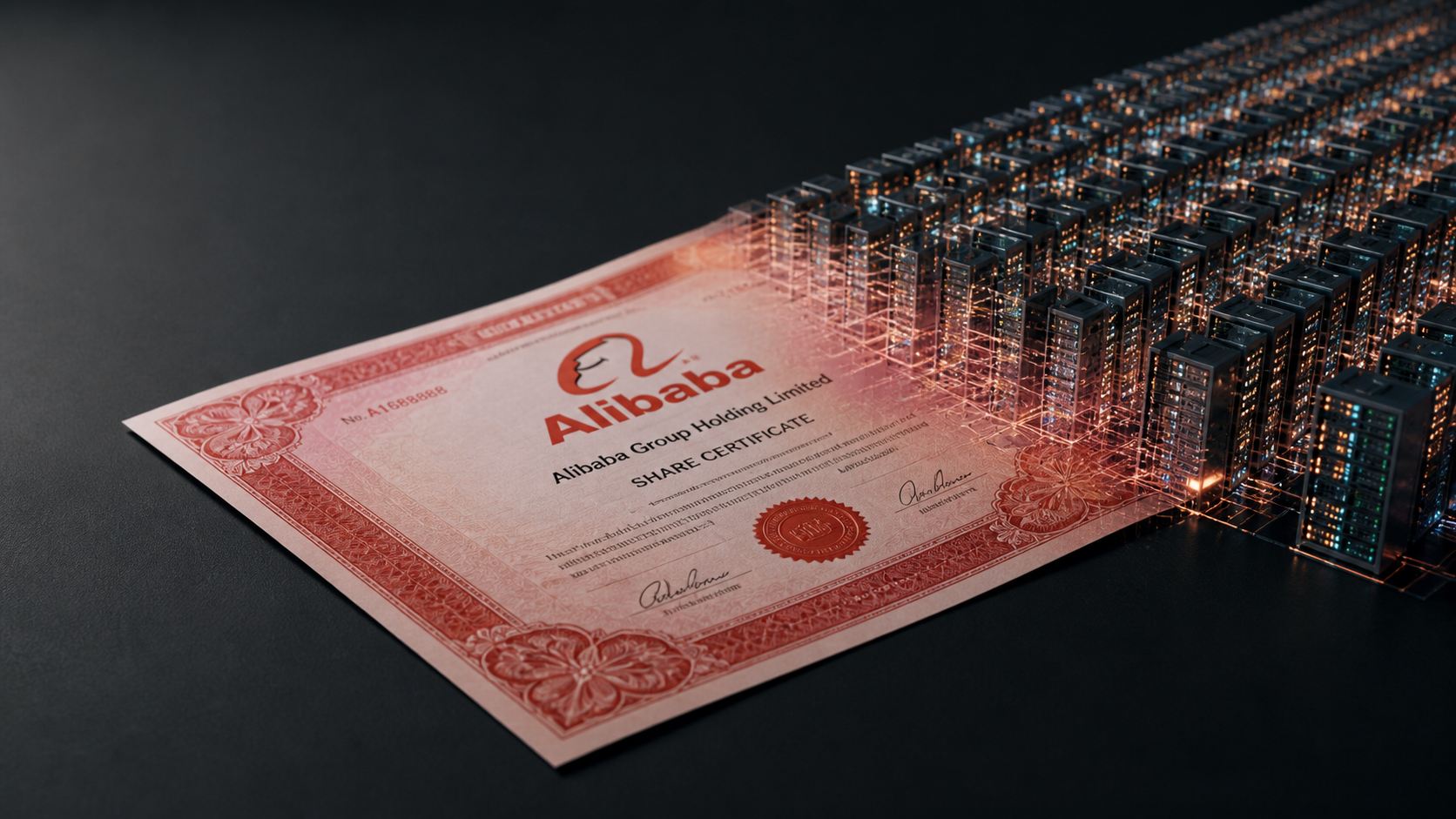
Alibaba has priced a sale of 710 million newly issued shares at HK$112.70 apiece, HK$80 billion in all, roughly US$10 billion, and says everything left after fees will pay for its AI systems and the infrastructure behind them. The deal is expected to close August 26.
The arithmetic sits awkwardly beside what the company just finished doing. Over its last fiscal year, Alibaba spent US$11.9 billion buying back nearly 1.2 billion of its own shares, cutting its share count by a net 5.1%. The new shares put about 3.7% of that back, and thin every existing holder's stake by roughly 3.6%.
And Alibaba is not out of money: it still holds about US$69.9 billion in cash and liquid investments. That it priced a share sale anyway is, in our read, the measure of what building AI now costs. The company's three-year AI and cloud program is larger than everything it spent on those areas in the entire prior decade, a program that has outgrown what even one of the world's biggest internet businesses will fund from its own till.
Where the money is going
Capital spending in the June quarter rose 75% from a year earlier, to nearly US$10 billion, most of it cloud infrastructure, the data centers and chips that train and run AI models. All that construction pushed the quarter US$6.6 billion into the red on free cash flow: Alibaba spent that much more than its operations brought in.
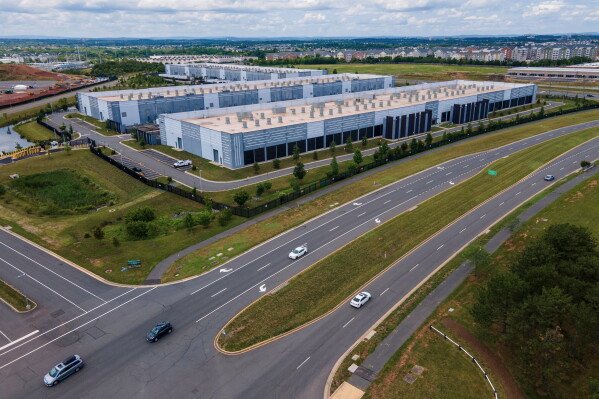
That gap is the answer to the question investors kept asking this week: why now? Alibaba's AI cloud business is growing fast, and the company has chosen to sell ownership rather than slow the construction or drain its reserves further.
Whether it pays back
The early returns are split. The AI cloud and computing business posted an adjusted profit last quarter alongside its rapid growth; the AI applications business ran a large adjusted loss. Whether and when the new US$10 billion earns its way back is the question the sale leaves open.
What it settles is the order of Alibaba's priorities: the buildout comes ahead of the cash pile, and ahead of the share count.