
Nvidia’s conventional Vera Rubin NVL72 packs 72 graphics processors and 36 central processors into one data-center rack. On Aug. 24, Nvidia confirmed that its partner SpaceXAI intends to adapt that foundation for the first Starmind satellite.
Elon Musk narrowed the launch target to the fourth quarter of 2027 and said deployment would reach “significant scale” in 2028. The companies disclosed the partnership and selected system on Aug. 4; the new announcement adds Nvidia’s detailed ground-and-orbit plan and a tighter timetable.
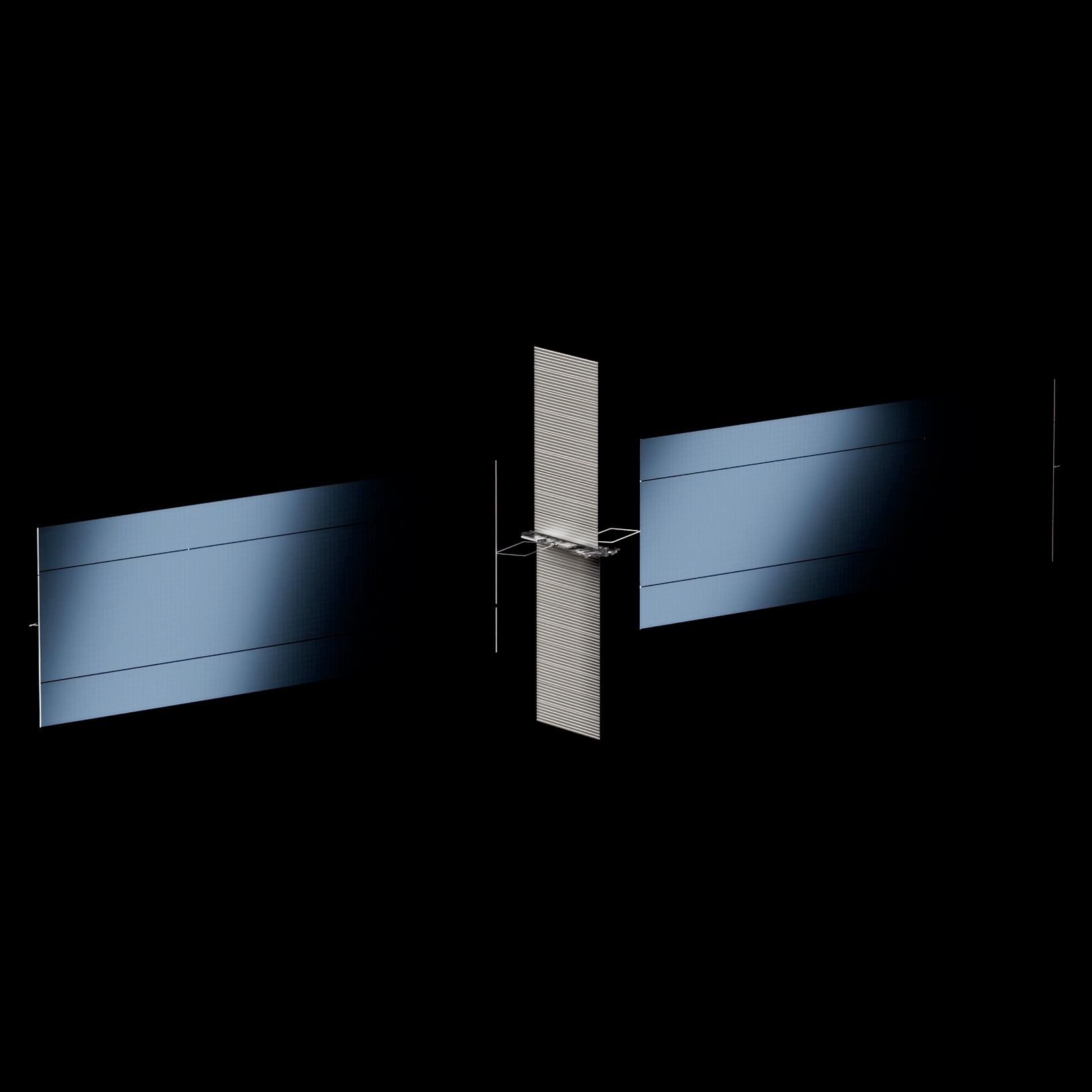
How the ground and satellite systems connect
On Earth, Nvidia says SpaceXAI will use Vera Rubin as it expands the computing behind Grok toward gigawatts, billions of watts, of capacity. Its Vera central processors are meant to execute code, process data and coordinate tools between calls to an AI model, leaving the graphics processors to handle model work.
In orbit, Starmind would preserve that hardware-and-software foundation. SpaceX is trying to turn a design made for a data-center rack into a spacecraft payload meant to perform demanding AI work beyond facilities on Earth.
Nvidia acknowledges that orbit changes the requirements for power, cooling, bandwidth, reliability and physical integration. Adaptation remains under way, neither company has explained what “space-optimized” changes or defined 2028’s “significant scale,” and SpaceX has published two different power targets, leaving the late-2027 schedule uncertain.