
Malone joined OpenAI in March 2025, shortly after the company announced Stargate, its program to build computing facilities for AI. He left last week, the Wall Street Journal reported, citing people familiar with the matter.
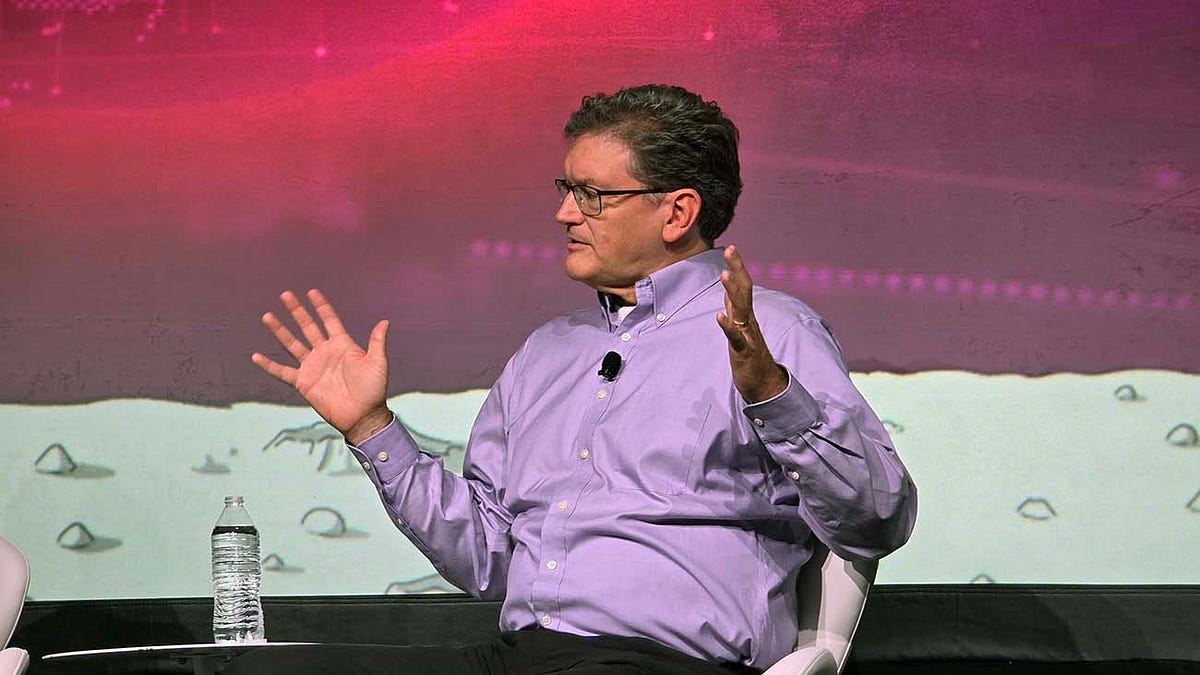
Malone shared Stargate’s engineering and technical design with Adrian Caulfield, a former Microsoft engineering leader. Caulfield and OpenAI’s other data-center executives are now carrying a mix of company-designed and partner-built facilities. OpenAI is designing a Georgia site itself.
In Ohio, an affiliate is due to rent capacity under a 20-year agreement. Supplying that campus will require at least 10 gigawatts of new generation, a power system larger than many conventional power plants. Deliveries are scheduled to begin in 2028, with the full buildout planned for 2032.
Why Malone left, who will replace him and whether any project will be delayed are not established. His exit follows an August turnover wave that included revenue chief Denise Dresser and OpenAI’s second-ranking executive, Fidji Simo.
Malone had described data-center capacity as a limit on making OpenAI’s systems more capable: OpenAI was “short on capacity constantly,” he said last year. Caulfield and the remaining team must now deliver the facilities meant to remove that limit without one of the two people assigned to Stargate’s engineering and design.