

OpenAI Teases 20-plus Launches for Tuesday’s DevDay
DevDay adds shared pages, cloud coding and portable ChatGPT usage
DevDay adds shared pages, cloud coding and portable ChatGPT usage
OpenAI is giving people more places to work with its agents: shared documents inside ChatGPT, reusable development environments for Codex, and security scans that keep running after a laptop closes. Alongside its model and subscription announcements, DevDay brought a practical push toward work that continues beyond a single conversation.
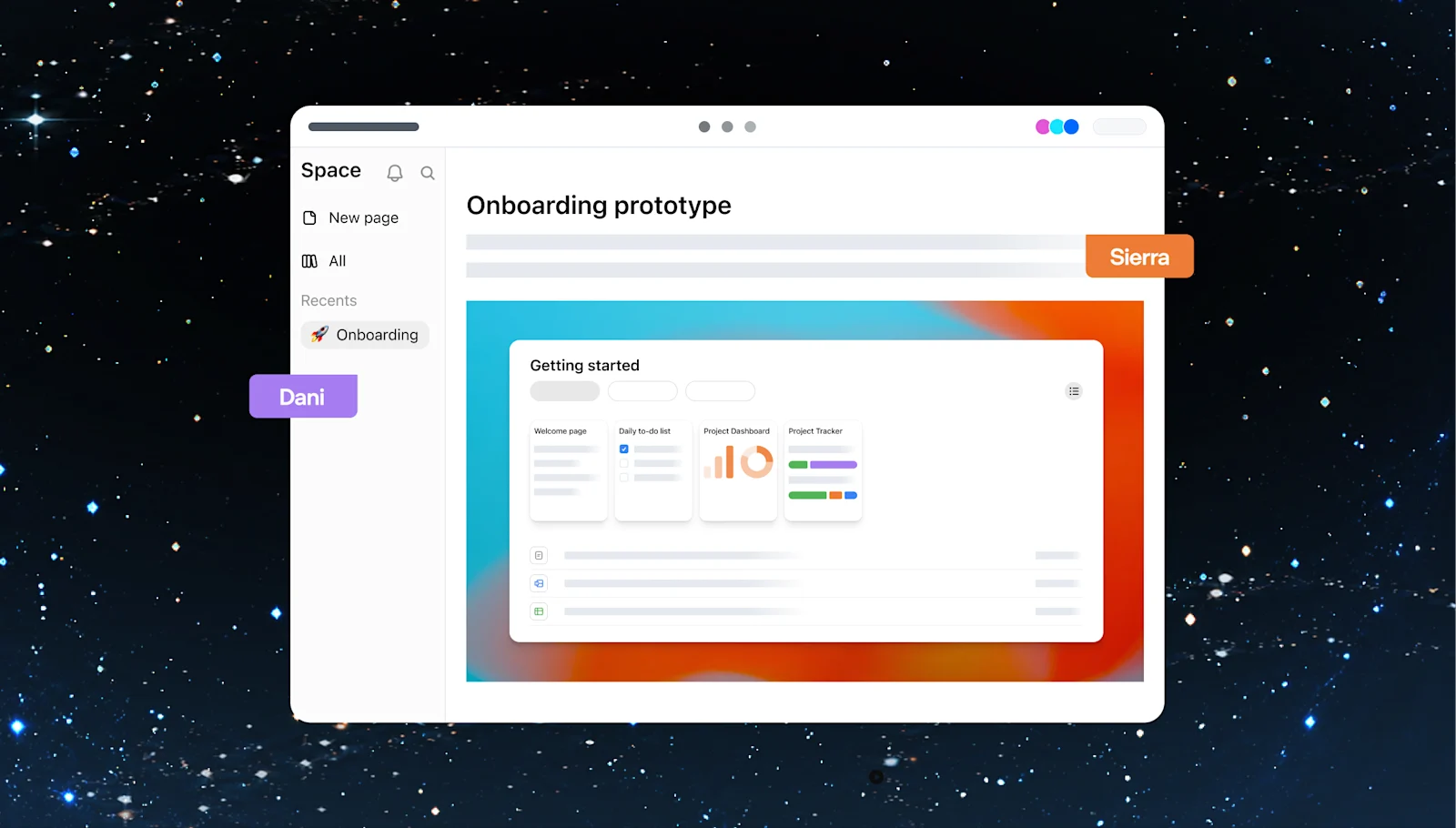
ChatGPT Space replaces Library for Pro, Business and Enterprise users. Its new Pages let teammates edit together, comment, and ask ChatGPT or a dot to make changes within the same document. Pages can hold research, writing, visualizations and code, and draw updates from connected tools.
That gives an agent somewhere to maintain a team’s work rather than returning another answer to copy elsewhere. OpenAI’s examples include an onboarding prototype and a launch plan with comments from an agent. Its product page says users can ask a dot to keep a page current as plans change.
Creation and editing work on desktop and web. Mobile users can find, read and share pages, but editing is still forthcoming. Collaborative slides and spreadsheets are also coming later, not available with today’s Pages launch.
Codex’s reusable cloud environments preserve a project’s repositories, dependencies and tools across tasks. Each task still gets a separate workspace. Developers can configure access to services the project needs, leave tasks running remotely, then inspect changes and test results before committing or opening a pull request.
Cloud access spans Plus, Pro, Business, Enterprise, Edu and Healthcare plans. OpenAI also announced a refreshed command-line app with voice control and a desktop code-review view for checking changes across projects.
The Codex Security Cloud upgrade includes access to Daybreak Blue’s defensive cyber models without a separate Daybreak application. OpenAI says it scans GitHub repositories, monitors new commits, investigates findings, removes duplicates and prepares proposed fixes. It is available to Pro, Business, Enterprise and Edu users on desktop and web.
The setup guide makes the human handoff clear: connect selected GitHub repositories, choose a cloud environment, then review a finding’s evidence. “Fix with Codex” generates a proposed patch; the next step is reviewing it before creating a draft pull request. This is background investigation and patch preparation, not a promise that software is automatically secured.
Plus and Pro subscribers can authorize participating apps to use their ChatGPT plan without handing over an API key. Eligible requests draw from the same Work and Codex allowance, and each app can have a weekly cap. Partner subscriptions or infrastructure charges may still apply.
Signing in alone does not grant access to ChatGPT conversations or memories. Using credits after the included allowance runs out requires a separate opt-in. And signing out of an app does not revoke its authorized plan access: that requires disconnecting it in ChatGPT settings.
These additions sit beside the day’s bigger launches: Dots’ persistent agents, the cheaper GPT-6.1 Sol, and Ultrafast on the new $500 Pro tier. The useful distinction is between giving AI more places to work and giving it more independence. Shared pages and cloud tasks expand the former; proposed code changes still need review.
DevDay session previews a 1,000‑hour Codex maintenance run
A session preview shared by speaker Vaibhav Srivastav says an internal OpenAI Codex agent spent more than 1,000 hours keeping software builds and tests passing in a large shared codebase. The preview describes internal work, not a newly available product.
The description says the agent used smaller helper agents and plans it could keep returning to as it investigated failures and coordinated fixes. That points to AI taking on recurring software maintenance, rather than just writing a feature once.
The preview does not explain how the hours were counted, how often engineers intervened or what the run cost. It should not be read as 1,000 hours of unsupervised success. The session is scheduled for 11:15 a.m. Pacific today, after the 10 a.m. keynote.

OpenAI says it has more than 20 announcements lined up, but hasn’t said what they are.
A 12-second teaser says OpenAI plans more than 20 launches in one day at DevDay on September 29. The clip names no products, so it’s too soon to tell whether that means new models, developer tools or smaller updates.
Sam Altman’s opening keynote starts at 10 a.m. Pacific time in San Francisco and will be livestreamed free. OpenAI says the event will include API and tool sessions, demos and workshops; other sessions will be posted afterward.